Fermented foods burst with flavor and offer surprising health benefits. If you’ve ever tasted tangy kimchi or rich miso, you know what I mean. These ingredients make meals exciting but also pack a nutritional punch.
I want to show you how to cook with fermented foods in your everyday meals. This isn’t just about following recipes; it’s about exploring flavors and traditions from around the globe. I’ve spent years diving into diverse cuisines, gathering inspiration, and perfecting techniques.
You can trust that what I share here comes from real experience. I’ll guide you through preparing simple yet delicious meals that raise your cooking game.
Imagine transforming a mundane dish into a flavor explosion with just a touch of fermented goodness. Ready to dive in? By the end of this article, you’ll feel confident using these ingredients in your kitchen.
Let’s get started!
Fermentation: A Flavor Revolution
Fermented ingredients are a game changer in the kitchen. They basically involve the controlled transformation of food by microbes. Kimchi, sauerkraut, yogurt, and miso?
You’ve likely heard of them, and they all revolve around this process. But why should you care?
Well, let’s talk probiotics. They’re the friendly bacteria that help your gut do its job better. Imagine eating something that tastes good but is also good for digestion.
Fermented foods can make nutrients more bioavailable, meaning your body can actually use what you eat. It’s like giving your gut a boost without the extra effort.
Flavor-wise, fermentation is like a magic wand. It alters flavors and textures, turning bland into bold. Think of the tangy kick of sauerkraut or the umami punch in miso soup.
If you’re curious about how to incorporate such intense flavors into your meals, look at getting started with sous vide cooking for precise, flavorful results.
Cooking with fermented foods isn’t just trendy; it’s smart. Why not experiment and see how these ancient techniques can revolutionize your home cooking? Dive in and let your taste buds explore a whole new world.
Fermented Flavors: Tools and Tips
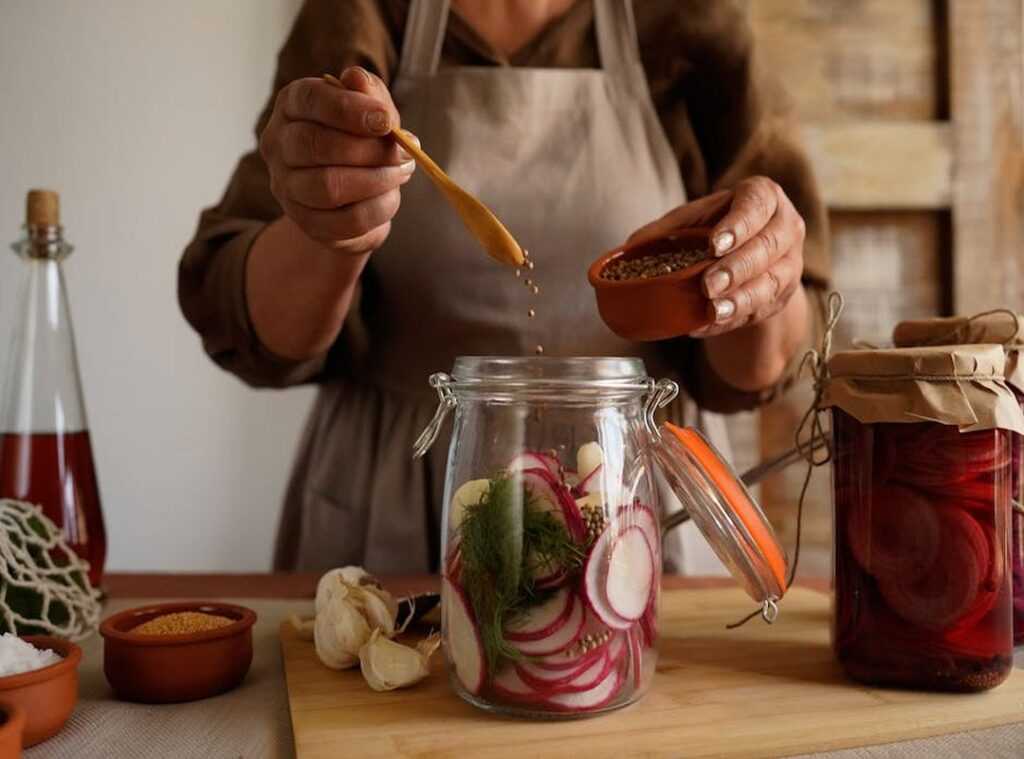
Cooking with fermented foods can be a game-changer. You’ll need a few essentials in your kitchen to start. A good fermenting jar is key (trust me, don’t skimp on this).
I learned the hard way when my first batch of kimchi exploded. Get jars with secure lids to avoid disaster.
Now, where do you find these fermented goodies? High-quality products are often tucked away in local markets or specialty stores. But making them at home is an adventure.
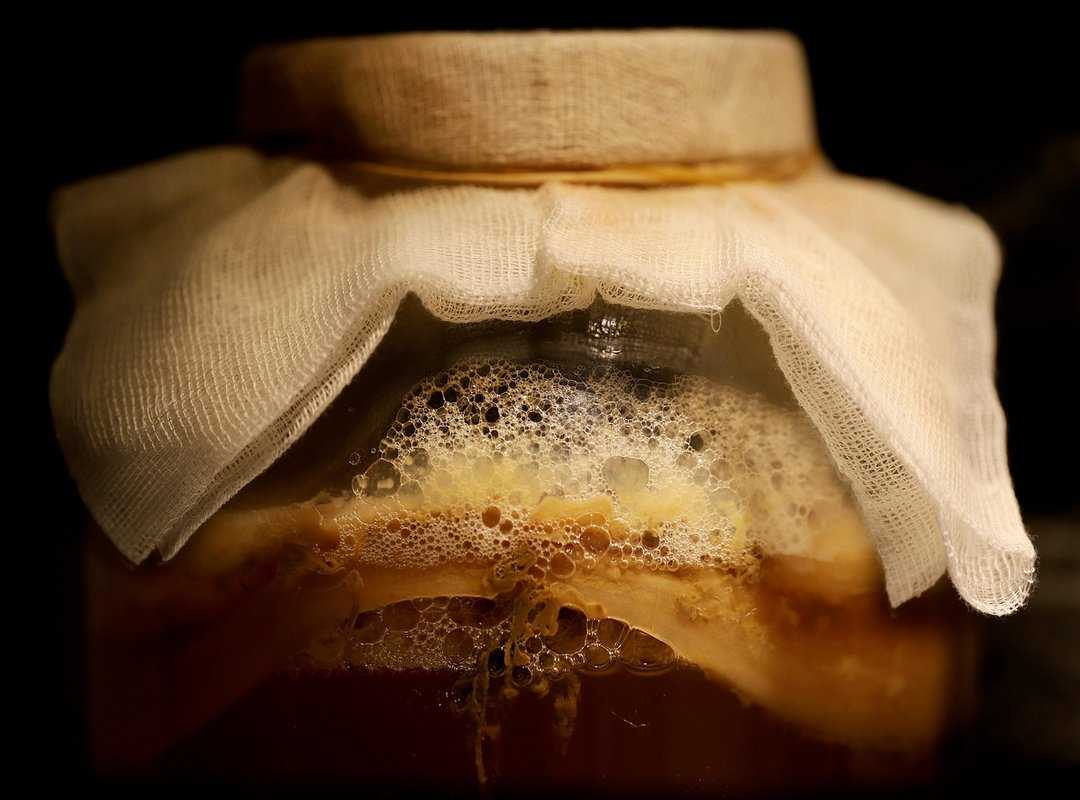
You control the flavor and quality. Plus, it’s satisfying to see those bubbles form knowing you did that.
Selecting the right ingredients is key. Not all fermented foods suit every dish. Korean kimchi might not mesh well with your Italian pasta.
Think about the cuisine you’re diving into. Match your ingredients accordingly. Experimenting is fun, but some combos are just… wrong.
Storage is another hurdle. Keep your fermented foods in a cool, dark place. A fridge usually works.
But don’t forget about them! Once, I left a jar in the back too long. The smell wasn’t pretty.
And a pro tip: always have extra salt on hand. It’s the backbone of any good fermentation process. So, are you ready to cook with fermented foods?
Dive in and taste the tangy rewards.
Fermented Feasts: Unlocking Flavor
I love cooking with fermented foods. They’re like magic ingredients that add depth and complexity to any dish. You ever tried kimchi fried rice?
It’s a game-changer. The tangy, spicy kick of kimchi mixed with rice is just chef’s kiss. But let’s get real: balancing fermented flavors can be tricky.
Add too much, and it overpowers everything. Too little, and you miss out on that wow factor.
So how do you get it right? Start small. A little miso in your glaze for salmon can transform it into something extraordinary.
Miso-glazed salmon is rich and satisfying (and honestly, who doesn’t love a good piece of salmon?). Sometimes I wonder if I’m getting it right. Too much soy sauce?
Not enough? You’ve thought about that too, I bet.
I encourage you to experiment. You’ll never know what you might discover unless you try. From sauerkraut on a burger to kefir in your morning smoothie, there’s a world of taste waiting.
If you’re unsure, check out this handy guide to cook with fermented foods.
Fermented foods can intimidate, but they’re worth it. They turn regular meals into extraordinary experiences. You don’t need to be a chef to make it work.
Just a bit of curiosity and a kitchen. Pro tip: always taste as you go. Your palate will guide you.
And remember, every kitchen adventure is an opportunity to learn and have fun. Embrace the uncertainty. It’s what makes cooking exciting.
Dive into Fermented Foods: Beginner’s Guide
Cooking with fermented foods feels like an adventure. It’s the Wild West of the culinary world, and it’s got a reputation for strong flavors. Yes, I mean strong.
But that’s why you’re here, right? To add that punch to your dishes.
First, let’s tackle the elephant in the room: the smell. Fermented foods can stink (I’m not sugarcoating it). But don’t let that stop you.
Start small. A dash of kimchi in your fried rice or a spoonful of sauerkraut on your sandwich can ease you in. You’ll be surprised how quickly your taste buds adapt.
Now, let’s talk technique. Use fermented foods as a bold condiment, not the main event. Think of them like hot sauce.
You wouldn’t pour a bottle on your tacos (okay, maybe you would), but a little goes a long way.
And hey, if you’re new to this, watch out for recipe mistakes to avoid. Trust me, you don’t want to go overboard and ruin a meal.
Remember, cooking with fermented foods is about experimenting and enjoying the process. So go on, step into the world of tangy, funky flavors. You’ll find your groove.
Fermented Cooking: Unveiled
Fermented foods are like the secret agents of the culinary world. They stealthily bring a probiotic punch to your meals. But are all fermented foods probiotic?
Not exactly. Some, like sourdough, don’t have live cultures by the time they hit your mouth. Fermentation is a bit of a science experiment.
It’s fascinating and sometimes misunderstood (I know I’ve been confused).
Can you cook with fermented foods and still retain benefits? Good question. Heating can kill probiotics, but their nutritional value remains strong.
Think of it as transforming agents rather than diminishing them. You add depth and flavor even when those little microbes don’t make it.
Now, let’s talk culture (literally.) Fermentation is a global affair, from Korean kimchi to German sauerkraut. Each brings unique tastes and traditions. So, what’s stopping you from this ancient culinary art?
Nothing, except maybe a little patience and a sense of adventure.
Dive into Fermented Flavors Now
You can easily cook with fermented foods and boost your meals. Fermented ingredients pack a punch in flavor and health benefits. Think of the delicious dishes you can create.
Explore ideas like kimchi tacos or yogurt sauces. The possibilities are endless. Don’t hesitate to experiment.
You might surprise yourself with what you create.
So, what are you waiting for? Start incorporating these ingredients into your cooking today. Share your culinary adventures with friends and family.
Let’s celebrate the flavors together. Your journey with fermented foods starts now. Embrace it!
 Founder & Culinary Innovation Director
Orvian Xenvale is the visionary founder behind Wantrigyo, shaping it as a destination for culinary discovery and food intelligence.
Founder & Culinary Innovation Director
Orvian Xenvale is the visionary founder behind Wantrigyo, shaping it as a destination for culinary discovery and food intelligence.