I get it. You want to make better choices about food, but it feels overwhelming, right? With so much buzz around sustainable dining, where do you even start?
This guide cuts through the noise.
I’ve spent years exploring culinary traditions and sustainable food trends. I’m here to share what I’ve learned, so you can feel confident transforming your dining habits.
This isn’t about being perfect. It’s about making mindful choices that actually matter. You can enjoy delicious meals while being kind to the planet.
I’ll give you practical steps for both home cooking and dining out. Whether you’re looking for eco-friendly recipes or tips on choosing sustainable restaurants, I’ve got you covered.
You don’t have to sacrifice flavor or convenience to eat better. By the end of this article, you’ll know how to savor your meals while supporting a healthier planet. Let’s dive in.
What ‘Eco-Friendly Dining’ Really Means
Eco-friendly dining is more than just a buzzword. It’s a complete approach to food that starts at the farm and ends on your plate. And it doesn’t stop there.
Sustainable sourcing is key: think local, seasonal, and organic. Ever tried choosing vegetables that are grown nearby? are they fresher, but they also cut down on transportation emissions. That’s a win.
Mindful preparation matters too. Cooking efficiently and reducing waste are simple yet solid steps. Do you leave the oven on longer than needed?
Cut it out. It’s about using less energy and creating less trash. Composting food scraps?
Absolutely. It’s a straightforward way to tackle waste management.
Sustainable dining is about reducing our carbon footprint and conserving resources. But it’s not just about the planet. It supports ethical practices within the food system.
We need to ask ourselves: Are we doing enough? The goal is to make choices that align with these values. It’s practical, doable, and frankly, necessary.
Let’s make eco-friendly dining more than just a trend. It should be our norm.
The Delicious Upsides: Why Choose a Greener Plate?
Ever wondered why everyone’s talking about sustainable dining? It’s simple. Choosing greener plates isn’t just trendy.
It’s smart. First, the environmental impact. Eating less meat reduces greenhouse gas emissions.
Cows (yes, cows) are methane machines. Plus, plant-based diets minimize food waste and conserve water. That’s a win for the planet and us.
Now, health perks. Eco-friendly choices often mean fresher, less processed foods. Imagine biting into a crisp apple versus a soggy, packaged snack.
It’s obvious, isn’t it? Fresher food means more nutrients and fewer chemicals. Our bodies thank us.
But wait, there’s more. Ethical and economic advantages can’t be ignored. Supporting sustainable practices improves animal welfare.
It ensures fair labor for food producers too. Local economies thrive when we buy local. More money in our community’s pocket.
Who wouldn’t want that?
These benefits aren’t just concepts. They’re real changes that make life better. For more on how these choices tie into Culinary Trends Hot Right Now, check out what’s buzzing.
Choosing a greener plate is a small step with a big impact. It’s about time we all made the leap. What’s stopping you?
Crafting an Eco-Kitchen: Smart Habits for Home Dining
Creating a sustainable kitchen starts with smart shopping. I always go for local and seasonal produce. Why?
Because it tastes better and supports local farmers. Plus, buying in bulk cuts down on packaging waste. Let’s not forget about those reusable bags (throw) a few in your car or purse.
And if you’re like me, confused by food labels, take a minute to learn about certifications.
When it comes to cooking, efficiency is key. Use lids on pots, and try pressure cookers. They save time and energy.
I also batch cook when I can. It’s a game-changer. And ever heard of ‘root-to-stem’?
It means using every part of your veggies. You’ll be amazed how much less trash you create.
But what about leftovers? They’re not boring if you get creative. Stir-fries, soups, you name it (leftovers) are my secret weapon.
On the topic of waste, composting isn’t just for hipsters. It’s surprisingly easy and reduces landfill contributions. You want more tips?
Check out this sustainable dining guide for ideas.
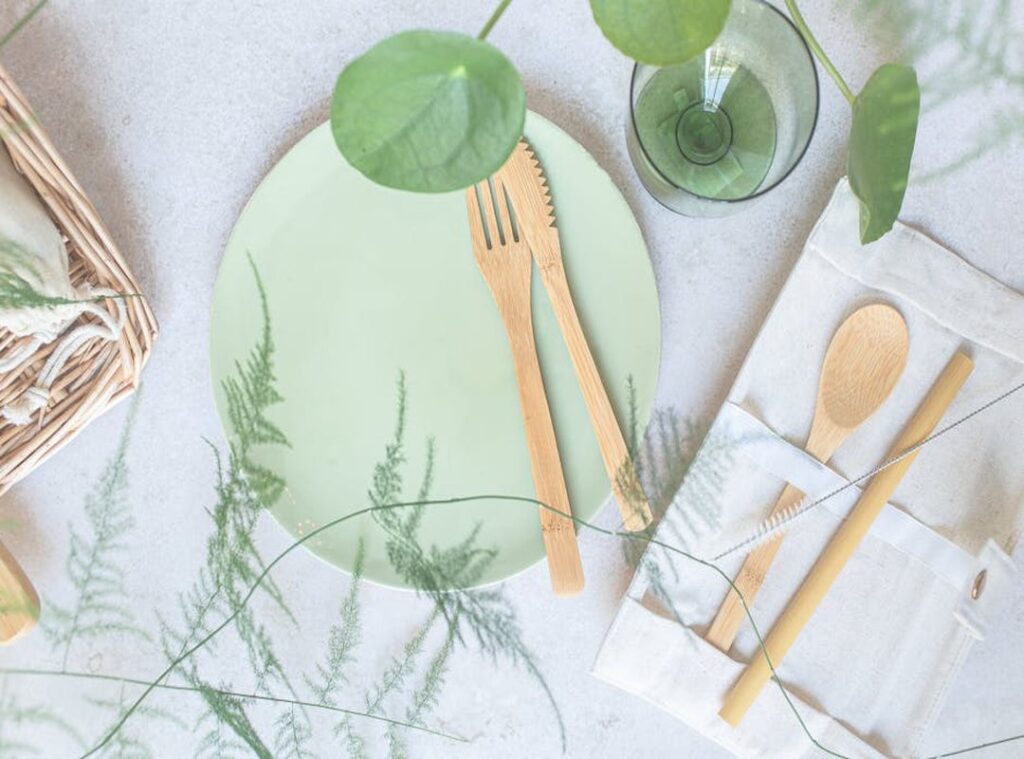
Lastly, ditch the single-use plastics. I’ve switched to reusable containers and beeswax wraps. They’re not just trendy; they work.
Better yet, they make your kitchen look like something out of a lifestyle blog. Sustainable dining isn’t just possible, it’s practical. And trust me, your future self will thank you.
Eating Out Sustainably: Your Guide to Green Restaurant Choices
Eating out isn’t just about the food anymore. It’s about sustainable dining. You want to make a difference and enjoy your meal, right?

Start by spotting sustainable eateries. Look for places that brag about local sourcing or seasonal menus. If a restaurant’s talking about waste reduction efforts or brandishing sustainable certifications, that’s your green light.
Now, let’s talk menu choices. More plants, less meat. It’s a simple way to cut your carbon footprint.
Ask where your meal’s ingredients come from. Be that person (politely, of course). Smaller portions can help too.
Who likes food waste? No one.
Single-use waste is a no-no. Politely decline plastic straws. Bring your own reusable coffee cup.
Ask for tap water over bottled. Simple swaps, big impact. And don’t forget about supporting local and ethical.
Your dollar is your vote. Choose spots that back local farmers and treat their workers right.
Wondering how to ask about a restaurant’s sustainability practices? Keep it respectful. A simple, “Do you source locally?” goes a long way.
You’re not being intrusive. You’re being informed.
Pro tip: Check if they have a bold commitment to ethical labor practices. Dining out sustainably isn’t just a trend. It’s a movement.
Let’s eat our way to a better planet.
Beyond the Plate: Reimagining Sustainable Dining
Let’s talk sustainable dining as a way of life, not just a trendy hashtag. Shifting focus from individual actions to integrating eco-conscious choices in our broader lifestyle is key. Does that sound overwhelming?
It doesn’t have to be.
Start small, grow big. Perfection isn’t the goal, but consistent small steps lead to significant change. Pick one or two tips to start with, and you’ll see the impact snowball.
Educate yourself. Dive into the fascinating world of food systems and seasonality. Knowledge is solid.
Exploring resources like the “Truth About Culinary Fads” can be eye-opening.
Get involved. I find that community connection makes sustainable choices more engaging. Check out local farmers’ markets.
They’re fun, and you get to support local growers. Share your journey. Inspire those around you with positive stories rather than preaching.
Worried about costs? Eco-friendly dining can be budget-friendly. Misconceptions about expense often arise, but practical choices like buying in bulk or growing your own herbs offer savings.
Remember, it’s about making better choices, not perfect ones.
Start Your Sustainable Dining Journey Today
Eating well and responsibly doesn’t have to be complicated. I’ve shown you practical ways to embrace sustainable dining. Small changes can lead to big benefits for your health and the planet.
Why not start this week? Pick one easy change, like choosing a local ingredient or trying a new recipe. You’ll feel good about what you eat and how it impacts the world.
Want more tips? Check out the website for culinary takeaways and ideas that make your journey enjoyable. Let’s make dining sustainable together.
It’s time to take action and start this rewarding adventure.
 Kitchen Techniques Editor & Food Systems Specialist
Qynovox Holt oversees practical kitchen education and technique-driven content at Wantrigyo. He focuses on cooking methods, ingredient functionality, and efficiency in modern kitchen workflows. His expertise supports the platform’s kitchen tips, preparation guides, and instructional resources. Qynovox contributes to content that bridges culinary creativity with technical precision. He also supports flavor systems analysis and experimentation for recipe development initiatives. His work helps ensure Wantrigyo balances inspiration with practical value for readers. He contributes a systems-oriented approach to making culinary knowledge more accessible and actionable.
Kitchen Techniques Editor & Food Systems Specialist
Qynovox Holt oversees practical kitchen education and technique-driven content at Wantrigyo. He focuses on cooking methods, ingredient functionality, and efficiency in modern kitchen workflows. His expertise supports the platform’s kitchen tips, preparation guides, and instructional resources. Qynovox contributes to content that bridges culinary creativity with technical precision. He also supports flavor systems analysis and experimentation for recipe development initiatives. His work helps ensure Wantrigyo balances inspiration with practical value for readers. He contributes a systems-oriented approach to making culinary knowledge more accessible and actionable.