Many of us have been there. You open your fridge and stare at the bland, uninspiring ingredients. It’s frustrating when you want to cook something lively but feel stuck with lackluster options.
Let’s face it: uninspired food leads to uninspired meals.
This article solves that problem by helping you discover how to find and use seasonal ingredients at their peak. I’ve spent years exploring the kitchen, and I know firsthand how much difference fresh, lively produce makes in cooking and eating.
You deserve meals that excite your palate and nourish your body.
Together, we’ll demystify what “seasonal produce” really means and why it matters. I’ll share actionable strategies that make it easy to incorporate these ingredients into your everyday cooking.
Trust my experience in culinary exploration and flavor pairing. I’ve learned that peak-season ingredients aren’t just better in taste; they’re also central to global food traditions.
Get ready to raise your meals and transform your cooking experience. You’ll learn how to make your dishes pop with flavor.
What Exactly is Seasonal Produce and Why Should You Care?
Seasonal produce. It’s what nature intended (food) harvested at the peak of its growing season. No artificial tricks.
This means better flavor. When fruits and vegetables ripen naturally, they develop their full aromatic compounds and sugars. do they taste better, but they also pack a nutritional punch. You get more vitamins and antioxidants when you eat produce picked at its best.
Out-of-season stuff? Often bland and nutritionally anemic.
Plus, let’s talk money. Seasonal ingredients are typically cheaper. Why?
They’re plentiful, cutting down transportation and storage costs. Less distance means less cost. And when you buy them, you’re doing our planet a favor, too.
Less shipping equals a smaller carbon footprint. Win-win, right?
There’s more. Supporting seasonal produce often means supporting local farmers. (They could use a break.) You’re also promoting sustainable farming practices. Find that appealing?
Of course, you do. For more tidbits on this and other culinary trends hot right now, dive in. But for now, savor that fresh strawberry or juicy tomato, knowing you’re tasting the purest form of nature’s bounty.
Your Seasonal Produce Compass
When it comes to seasonal ingredients, “seasonal” is a bit of a misnomer. What’s local for you may not be for me. We have to get through our specific climate maps.
Spring screams freshness. Think asparagus, peas, tender greens, radishes. Strawberries too.
They’re the promise of summer, perfect for salads or just plucking them off the vine.
Now, summer is a whole other beast. Tomatoes, corn, zucchini…it’s abundance, pure and simple. You can’t ignore peaches.
Grill them, toss them in salads, or make them the star of a cobbler. I can’t see a reason to keep the grill dormant when these flavors are at their peak.
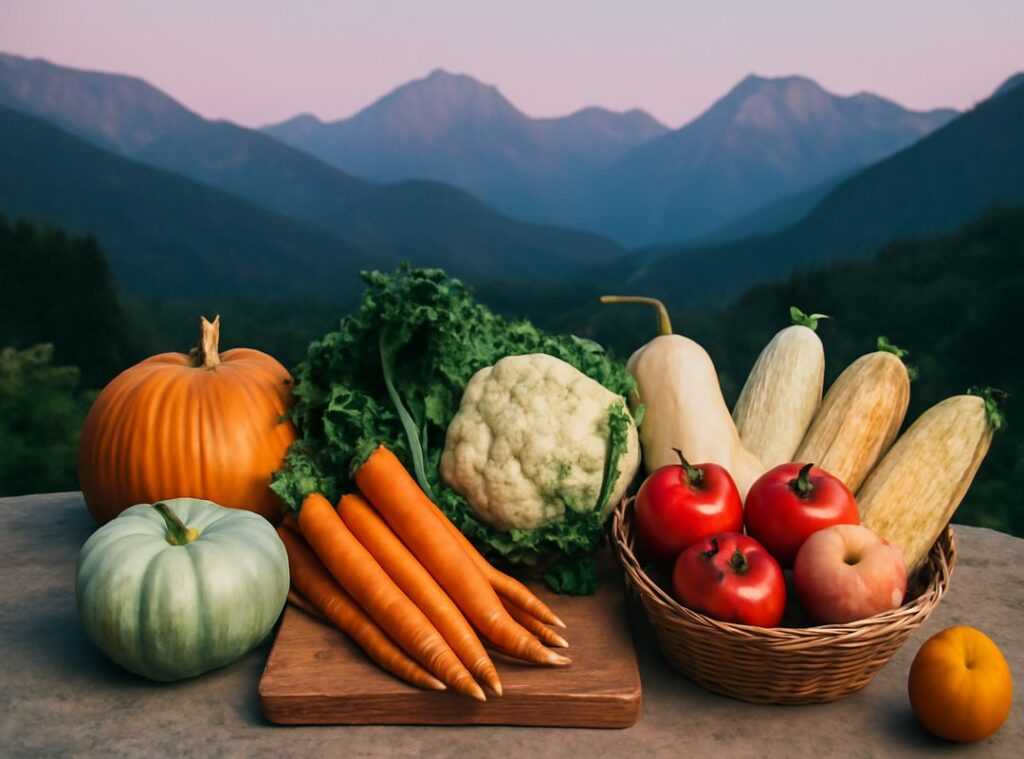
Fall brings a different vibe. Apples and pears start rolling in. Squash and root vegetables, like those carrots you ignored in July, become the stars.
Roast them, bake them, make soups. It’s about warmth and comfort. You know what I’m talking about when the crisp air bites your nose.
Winter isn’t just about hibernation. Citrus comes alive. Hardy greens like kale and root veggies like carrots and potatoes resist the cold.
Stews and braises turn these into hearty meals, while a bright kale salad cuts through the gloom. Always check a good seasonal produce guide. It connects you with what’s truly available.
From Farm to Table: Sourcing Peak Seasonal Produce
Finding the best seasonal ingredients isn’t as hard as you might think. Farmers’ markets are your best bet. They’re direct from growers, so you know you’re getting the freshest stuff.
Community Supported Agriculture (CSA) programs are another great option. You get boxes of produce regularly, and it’s like a surprise gift every time (only with vegetables).
When you’re at the market, look for lively colors and firmness. But not rock-hard, okay? Absence of blemishes is key.
Nobody wants a bruised tomato. For fruits like peaches or melons, use your nose. A ripe peach smells like heaven.
And don’t forget the sound test for watermelons. A hollow thud means it’s ready to eat.
Talk to the vendors. Seriously, ask them about harvest times and growing methods. They love sharing tips, and you’ll learn the best ways to use their produce.
Remember, “local” and “seasonal” are different. Local means it’s grown nearby. Seasonal means it’s at its peak flavor.
They often overlap, but not always.
Pro tip: Check dedicated “local” or “seasonal” sections in grocery stores. They can surprise you with hidden gems. It’s all about knowing where to look and trusting your senses.
Keep It Fresh: Seasonal Storage Secrets
You know the drill: buy fresh, eat fresh. But life happens, and sometimes your bounty needs a little help to last. Leafy greens should be washed, dried, and tucked in airtight containers with a paper towel (keeps them crisp). Berries?
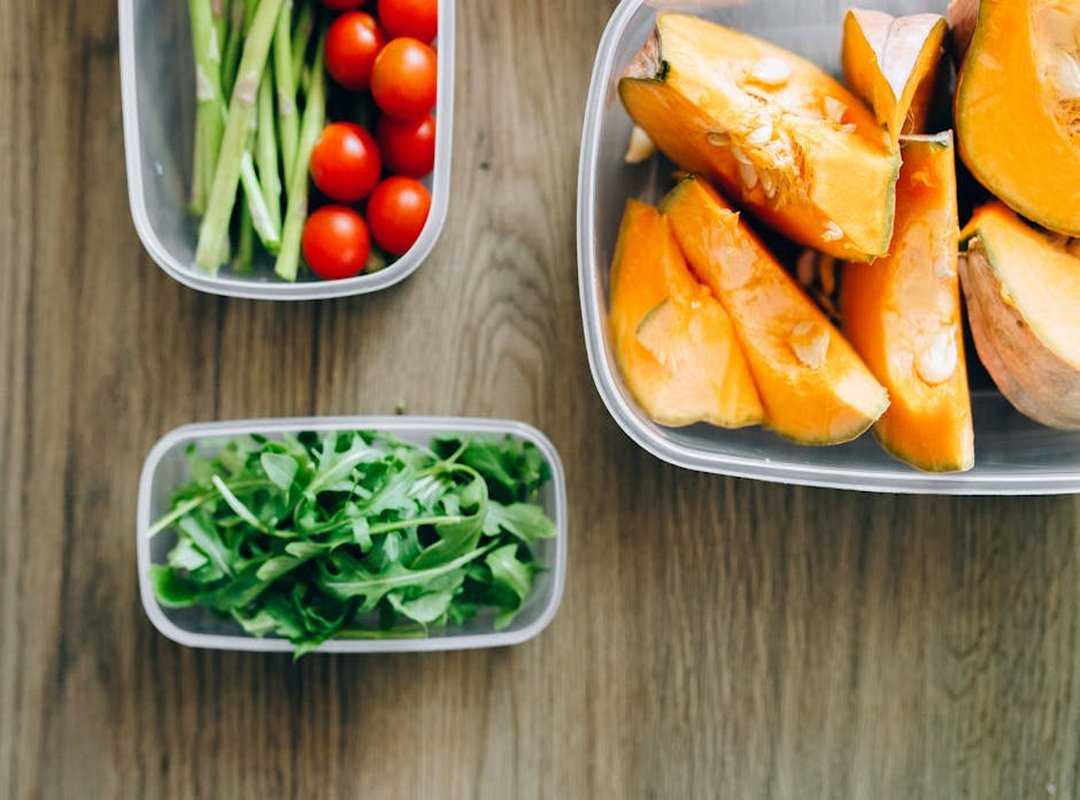
Don’t wash them until you’re ready to eat. Layer them single-file in the fridge. Treat your herbs like royalty by either keeping them in water or wrapped in damp paper towels.
Root vegetables love a cool, dark spot with a breeze. No need for refrigeration. Freezing’s a lifesaver for veggies like corn and peas.
Got too many tomatoes? Whip up a basic sauce. Overflowing berries?
A quick blanch, then into the freezer they go. Pickling’s not just for grandmas. Quick pickles are perfect for cucumbers and radishes.
Jam it up.
Preserving seasonal ingredients isn’t just about saving money. It’s about embracing the season’s flavor. And speaking of savoring the season, ever thought about why sustainable dining matters?
It’s all connected. Keep your bounty fresh, and you’ll feel those flavors all year long. Ready to make your produce last?
It’s easier than you think. Just a little knowledge and a few tricks.
Elevating Your Dishes: Creative Ways to Cook with Seasonal
Cooking with seasonal ingredients isn’t just smart; it’s delicious. Why fuss with complicated recipes when the produce itself is bursting with flavor? Let those natural tastes shine.
Roast those root veggies. Caramelization adds depth, while grilling brings out a smoky char that you didn’t know you needed in your life.
Ever tried sautéing fresh greens? It’s about keeping them lively and, let’s be honest, overcooking is a crime. Eating raw?
Yes, please! It preserves not just the nutrients but also the crispness.
Pair flavors wisely. Sweet meets tart, earthy hooks up with bright. Herbs and spices should boost, not overpower.
Experimentation is key. Why not adapt your grandma’s soup recipe with seasonal ingredients? Try less common veggies like kohlrabi.
Ever had cilantro overshadow your dish? Tragic.
Focus on a few core ingredients to build a meal around. Less is more, always. Who needs a cluttered dish anyway?
Taste the Seasons
You’ve learned how seasonal ingredients can raise your meals. Ignoring what’s in season means missing out on incredible flavors and nutrients.
By connecting with what nature provides, you’ll open up a world of culinary joy. Why settle for bland when you can indulge in lively, fresh dishes?
Take action this weekend. Visit a local farmers’ market and explore what’s ripe. Try a new recipe featuring seasonal produce.
Start your journey toward tastier, healthier meals today. This isn’t just about food; it’s about embracing a lifestyle.
Are you ready to make your meals more delicious? Your adventure with seasonal eating awaits.
 Head of Culinary Research & Content Strategy